
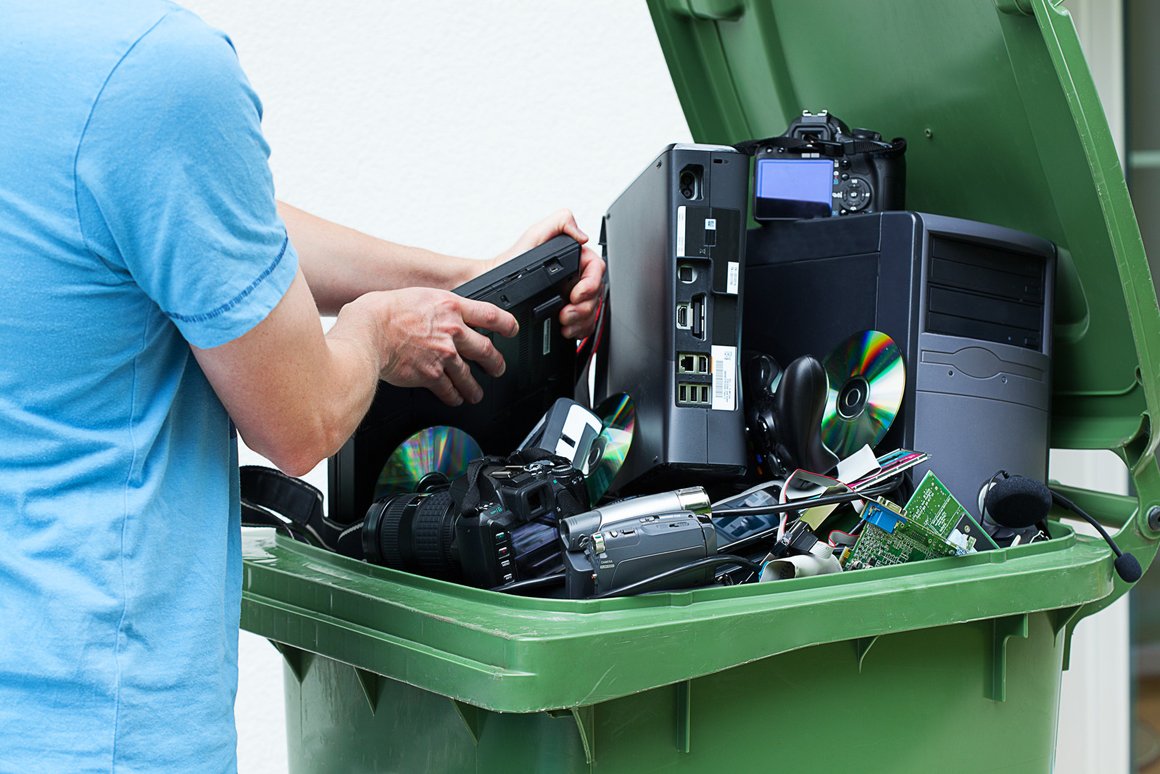
As businesses continue to upgrade their technology infrastructure, the question of what happens to outdated IT equipment becomes increasingly important. From old laptops and servers to networking devices and storage systems, companies generate a significant amount of electronic waste every year. Proper IT asset recycling is no longer just an environmental responsibility—it is also a smart business strategy.
IT asset recycling helps organizations securely dispose of old equipment while recovering value from usable assets. Instead of letting outdated hardware collect dust in storage rooms or end up in landfills, businesses can adopt a structured recycling process that supports sustainability, compliance, and cost efficiency.
The Growing Need for Responsible IT Asset Disposal
Technology evolves quickly, and businesses often replace devices long before they stop functioning completely. This creates a large volume of retired assets that require careful handling. Simply throwing away old IT equipment can lead to serious risks, including data breaches, regulatory issues, and environmental harm.
Electronic devices often contain sensitive company information, customer records, and financial data. Without proper disposal methods, this data can be exposed. Secure recycling ensures data destruction and protects organizations from security threats.
At the same time, e-waste contains hazardous materials such as lead, mercury, and cadmium, which can damage the environment if not managed correctly. Businesses should follow proper practices for sustainable electronic waste management to reduce landfill waste and support a circular economy where materials are reused instead of wasted.
Asset Recovery Adds Financial Value
Many businesses overlook the fact that retired IT equipment can still hold financial value. Servers, desktops, laptops, and storage devices may contain reusable components or resale potential. This is where asset recovery becomes highly beneficial.
Understanding how to recover IT assets can help businesses maximize returns while maintaining compliance and sustainability standards. A well-planned recovery strategy allows companies to evaluate equipment, refurbish usable devices, and recover value from outdated assets instead of treating them as waste.
For businesses looking for a practical guide on this process, learning more about how to recover IT assets can make a major difference:
This approach not only reduces disposal costs but also improves return on investment for technology spending.
Compliance and Data Security Benefits
Many industries are required to follow strict regulations regarding data protection and electronic waste disposal. Healthcare, finance, education, and government sectors especially need documented and secure disposal methods.
Certified IT asset recycling providers ensure compliance with regulations by offering secure data destruction, tracking, and reporting. Following global asset management best practices also helps businesses maintain security standards and avoid compliance risks.
- Secure data wiping and destruction
- Asset tracking and reporting
- Environmental compliance documentation
- Responsible refurbishment and resale
- Safe recycling of unusable components
These services help businesses avoid legal penalties and maintain customer trust.
Supporting Sustainability Goals
Sustainability is now a major focus for organizations worldwide. Clients, investors, and stakeholders increasingly expect businesses to adopt environmentally responsible practices.
IT asset recycling directly supports ESG (Environmental, Social, and Governance) goals by reducing waste, conserving natural resources, and lowering carbon emissions associated with manufacturing new equipment. Refurbishing and reusing devices also extends product lifecycles and reduces the demand for raw materials.
Companies that prioritize green IT practices often strengthen their brand reputation and demonstrate long-term corporate responsibility.
Choosing the Right IT Asset Recycling Partner
Not all recycling providers offer the same level of security and value. Businesses should look for partners with proven experience, certifications, and transparent processes.
Important factors to consider include:
- Certified data destruction services
- Environmentally responsible recycling practices
- Asset recovery and resale programs
- Full documentation and compliance reporting
- Secure transportation and handling procedures
A reliable partner ensures that businesses protect both their data and their environmental commitments.
Final Thoughts
IT asset recycling is more than just disposing of old equipment—it is a strategic process that protects data, supports sustainability, ensures compliance, and recovers hidden value from retired technology.
As organizations continue to invest in digital transformation, managing end-of-life IT assets responsibly becomes essential. Businesses that embrace structured recycling and recovery solutions not only reduce risk but also create long-term operational and financial benefits.
Smart IT asset management starts with responsible recycling, and the right recovery strategy can turn old equipment into new opportunities.
 Nacht Team