
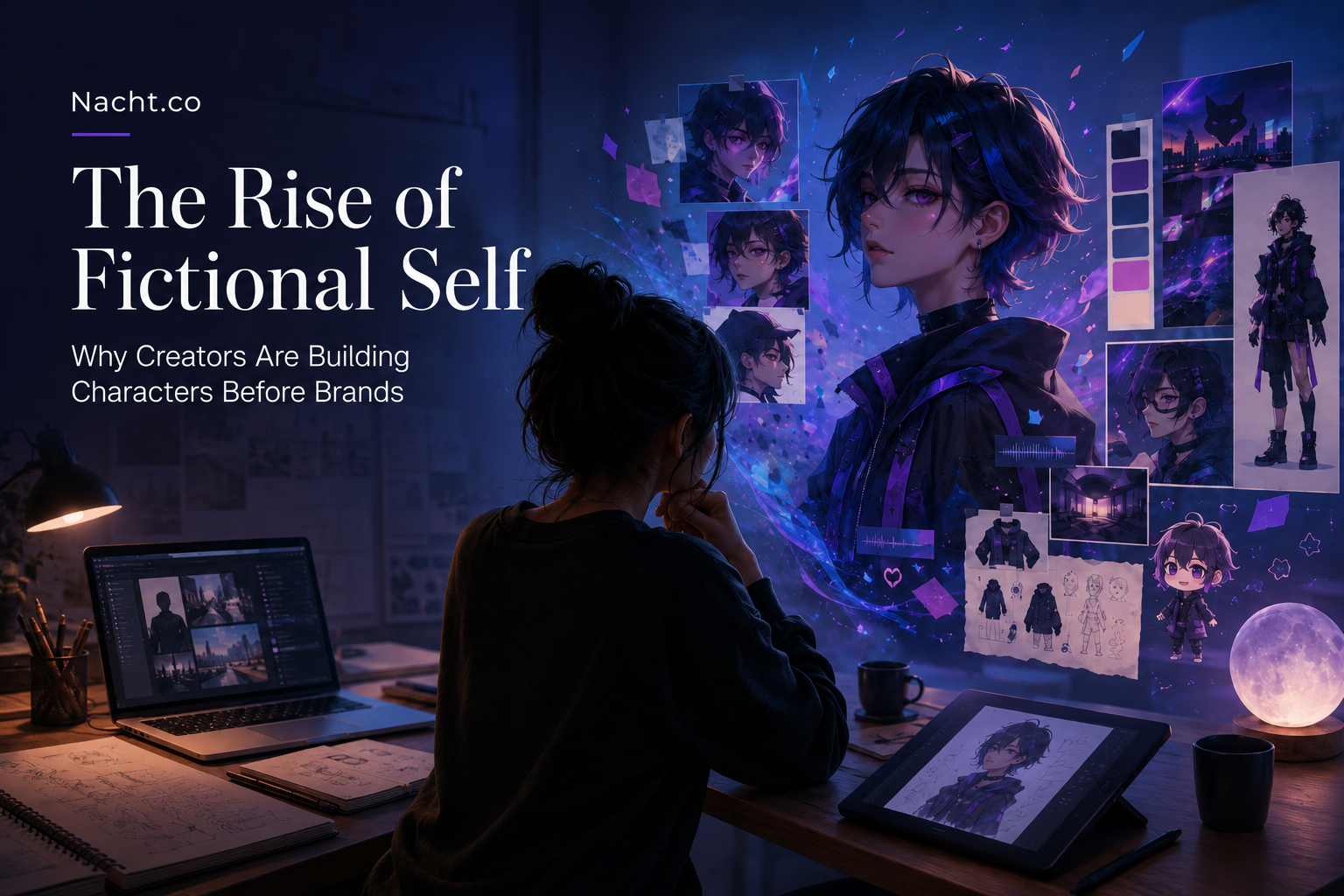
I’ve noticed a quiet shift in the way people present themselves online. A few years ago, most creators I followed were trying to build a personal brand in the usual way: a real photo, a polished bio, a clear niche, maybe a tidy color palette across their socials. That still exists, of course, but it no longer feels like the only path. More and more, I see people starting somewhere else entirely. They begin with a character.
Not a logo. Not a headshot. A character.
In my own experience, especially when I’ve spent time around anime fans, indie game communities, Discord groups, and younger creators experimenting with identity online, that character often becomes the anchor for everything that follows. Before content strategy, before audience growth, before any serious thought about monetization, there is often a visual persona taking shape. For many people, using an OC maker is the first real step in building that persona, because it gives form to an idea that would otherwise stay vague and half-finished in their head.
What’s interesting is that this isn’t just a design trend. It says something deeper about how digital identity is changing.
Personal Branding Is No Longer Always Personal
I don’t think “personal branding” means what it used to mean. It used to imply visibility. You showed your face, shared your story, and built recognition by being fully, or at least visibly, yourself. That model still works well for consultants, founders, educators, and public-facing creators. Even so, it doesn’t suit everyone.
Some people want room between their real life and their online life. Some feel more expressive when they are not locked into their offline appearance. Some simply find fictional identity more fun, more flexible, or more creative. I’ve seen this especially among people who write, draw, roleplay, stream casually, or spend a lot of time in fandom and gaming spaces. They aren’t trying to hide. They’re trying to express something more specific than a selfie can hold.
That’s where the idea of a fictional self becomes useful. It gives structure to the version of yourself you want to bring online without demanding full personal exposure.
What I Mean by a “Fictional Self”
When I use that phrase, I’m not talking about random avatars or faceless branding. A fictional self sits somewhere between an online persona and a story character. It usually has a recognizable look, a mood, maybe even a backstory. Over time, it can also develop a voice, a tone, and a role in the creator’s content.
That’s why it feels different from simply choosing a profile picture.
A fictional self might be:
- an anime-inspired original character
- a game-like alter ego
- a mascot for a newsletter or channel
- a visual stand-in for someone who prefers not to post their face
- a story-world version of the creator’s personality
Once that identity exists, content tends to become more coherent. The visual language sharpens. The tone becomes clearer. Even the audience often understands the creator faster, because characters communicate instantly.
Why So Many Creators Prefer Characters Over Real Faces
I’ve had a lot of conversations with people who feel oddly relieved once they stop trying to force themselves into a traditional “personal brand” format. A character lets them be present without being overly exposed. It also gives them something that many real-photo brands struggle with: instant recognizability.
A fictional self often works better than a real face for a few reasons:
| Reason | Why it matters |
| Privacy | Creators can stay visible without sharing too much of their real life |
| Consistency | A character can remain visually stable across posts, platforms, and projects |
| Memorability | A strong design stands out more easily than another polished headshot |
| Storytelling | Characters naturally invite lore, worldbuilding, and recurring themes |
| Creative freedom | People can emphasize mood, aesthetics, and personality traits more clearly |
In practice, this matters more than many people realize. Online attention is crowded. Recognition often comes from clarity, not from realism. A fictional self can communicate “who this account is” in one glance.
Anime Visuals Make Fictional Identity Easier to Read
Among all the styles I’ve seen used for character-first identity, anime remains one of the most effective. That doesn’t surprise me. Anime-style art is unusually good at carrying emotional cues. Hair, eyes, posture, accessories, clothing, and color choices all say something right away. Even subtle differences can make a character feel guarded, warm, chaotic, dreamy, sharp, or playful.
That expressive quality is one reason I think anime-inspired identity travels so well across creator spaces. An AI anime art generator can help turn a rough character concept into something much more legible, especially for people who know what they want emotionally but don’t yet have the drawing skill to express it visually.
I’ve seen creators use this kind of workflow in very practical ways. They start with a few character traits, test visual directions, save the versions that feel most “them,” and then build the rest of their profile around that identity. At that point, the character stops being decoration. It becomes the operating system for the brand.
The Creator Economy Is Becoming More Character-First
What fascinates me most is the order of operations. The older model often looked like this:
person → content → audience → brand
Now, in many digital subcultures, I see something closer to this:
character → story → audience → brand
That difference matters.
Once a creator starts with a character, the rest becomes easier to organize. Their content gains a point of view. Their captions, visuals, tone, and even community interactions often become more cohesive. This is one reason character-led formats have done so well across VTubing, niche Instagram accounts, Discord communities, story-based TikTok content, and indie creator projects.
The character is not just a symbol. It becomes a frame through which people understand the content.
Where Fictional Selves Are Showing Up
This trend isn’t limited to one platform or one kind of creator. I’ve seen fictional selves used in several overlapping ways:
Social media avatars
Some creators use them simply as profile images, though even that changes the feel of an account. A well-made character often signals intentionality, style, and identity much faster than a generic photo.
Community and gaming spaces
In roleplay groups, gaming servers, and fandom-heavy communities, character identity feels almost native. It gives people a shared language to interact through.
Writing and storytelling projects
Writers, comic creators, and hobbyist worldbuilders often use original characters to test voice, visual style, and emotional tone before the larger project is fully developed.
Creator mascots
Even outside fandom culture, I’ve seen people use a fictional self as a mascot for newsletters, YouTube channels, design accounts, and creative side projects. In those cases, the character becomes a memorable bridge between the creator and the audience.
What Makes a Fictional Self Memorable
In my experience, the strongest fictional selves are not the most complicated ones. They are the clearest ones. They feel intentional, and they give people something easy to hold onto.
A few principles help:
- Start with personality before appearance
- Choose one emotional tone and stay close to it
- Keep the visual identity repeatable
- Let clothing, colors, and posture support the personality
- Think about how the character would “speak” in captions or posts
That last point is often overlooked. A fictional self is not only visual. If the design says “quiet and thoughtful” but the captions sound loud and chaotic, the identity starts to wobble. Coherence matters.
Final Thoughts
I don’t think creators are abandoning real identity. What I do think is that many people are discovering a more flexible path between anonymity and exposure. A fictional self offers that middle ground. It can be expressive without being invasive, memorable without being overly polished, and personal without being literal.
The longer I watch online culture evolve, the more convinced I am that character-first identity is not a niche habit. It’s becoming a real creative strategy. In many cases, people are no longer building brands and then designing visuals around them. They’re building a character first, and letting that character teach them what the brand is supposed to become.
 nikecarkarel@gmail.com
  Sky Bloom IT
  IQnewswire